Tag: World

Daniel Bensaïd and Question of Strategy

The fall of the Soviet Union in 1991 was not merely a geopolitical event but also resulted, globally, in a profound crisis in revolutionary thought. Amidst the ruins of socialist hope scattered across a neoliberal landscape, one encounters Daniel Bensaïd, a Marxist who refused to accept defeat without extracting lessons from historical setbacks. As a prominent intellectual within the French Ligue Communiste Révolutionnaire (LCR) and a prolific writer, Bensaïd reignited the debate on communist strategy at a time when the very notion was often ridiculed or dismissed. His Marxism was not a set of rigid dogmas but rather an orientation – a wager on the potential for rupture, shaped by the tragic memories of past revolutions and the pressing need for battles in the present.

From Protest to Power: Lessons from Kenya’s Gen-Z Revolt

On June 25, 2024, Kenya witnessed a rupture in its post-2002 political consensus. What began as resistance to the Finance Bill—a set of regressive taxes backed by the IMF and marketed as “fiscal reform”—rapidly escalated into a nationwide revolt. The initial mobilizations, led primarily by young people outside of formal party structures, coalesced around a rejection of the rising cost of living, state corruption, and elite impunity. Within days, the protests spread from Nairobi to other urban centers. That afternoon, demonstrators breached the parliamentary compound. Security forces responded with lethal force. Dozens were killed, while hundreds were abducted, detained without trial, or tortured. Though President William Ruto ultimately withdrew the bill, that concession did not resolve the deeper political crisis. By then, the protests had evolved into a broader denunciation of the state’s coercive apparatus and the hollowness of the country’s democratic institutions.

From Crisis to Consolidation: The Resistible Rise of the Far Right in Europe Since 2010

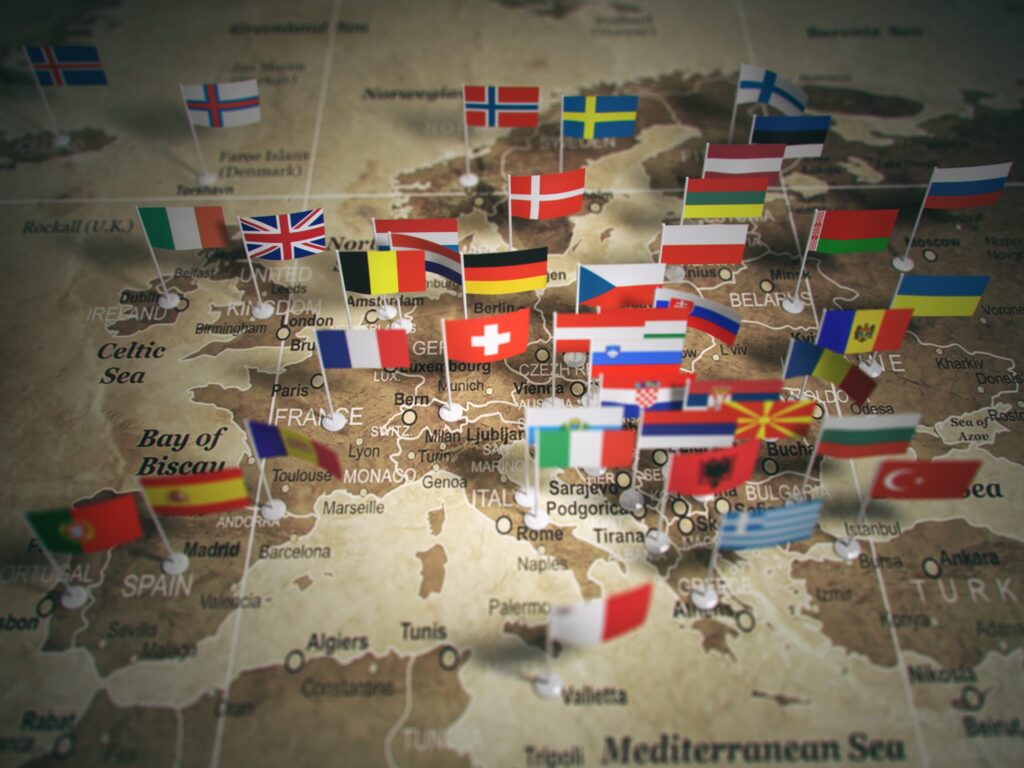
The 2010s marked a decisive rupture in European politics. In the aftermath of the global financial crisis in 2008, a wave of disillusionment swept across the continent, eroding public trust in traditional parties and institutions. Amid deepening economic insecurity, rising migration, and cultural anxieties, far-right movements surged—not just on the margins, but into the heart of political power. From France to Hungary, Italy to Sweden, far-right parties have entered parliaments, formed governments, and reshaped national debates, particularly around immigration, national identity, and sovereignty.

Keep eyes on Sudan

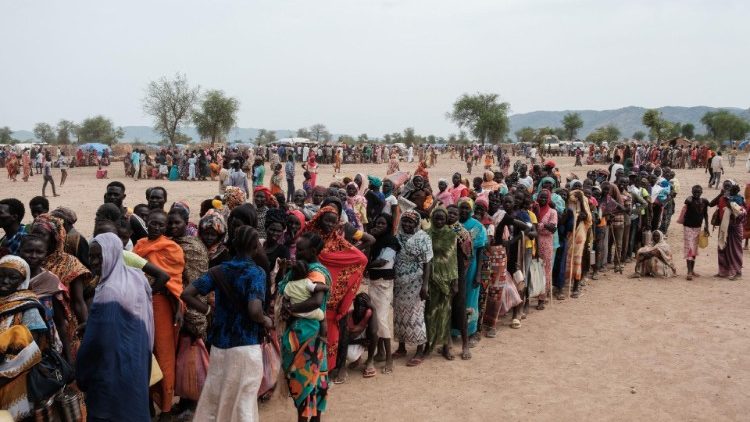
By now, we’ve all seen the images from Gaza. Of starving children, of skeletal arms, of babies so thin they resemble ghosts. Rightly, the world has turned its attention to this horror, however belatedly. What is harder to explain is why Sudan’s starvation crisis—just as urgent, just as human—barely registers in the global imagination. Why does it come only as a footnote? Why is it that certain forms of suffering seem to trigger outrage and mobilization, while others are quietly endured in the background?
1 3 4 5

SEARCH

© Zabalaza for Socialism 2025. Designed and Developed by BrightQuill