Imperialism’s Assault on Iran must be Condemned
A Socialist Response to the Attack on Iran
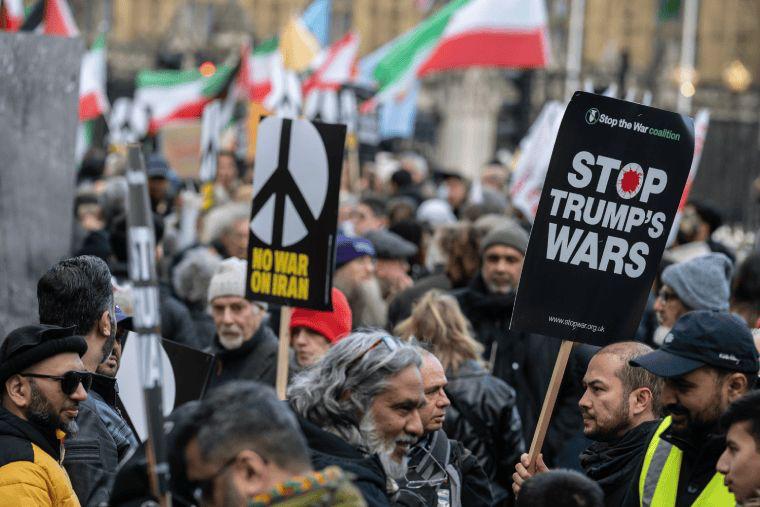
As bombs fall on Tehran, as smoke rises over universities, schools, streets and civilian districts, as families scramble for shelter from missiles launched by the United States acting alongside Israel’s air force, the left must speak without hesitation: this war is wrong, this aggression is illegal, and progressive forces and working-class people everywhere must oppose it.
But we must be very clear: this is not about defending the government of the Islamic Republic of Iran. Beginning in December 2025, nationwide anti-regime protests erupted in Iran, triggered by economic crisis, the collapse of the rial, and rising prices—a situation US sanctions and economic aggression had no small role in provoking.
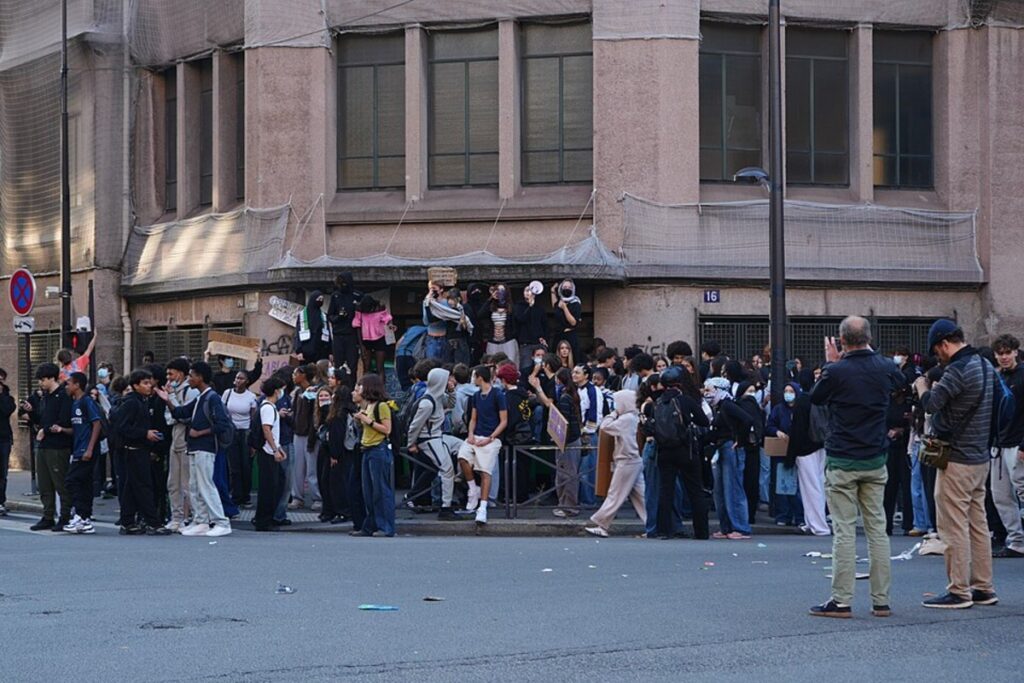
These were the largest anti-government protests since the 1979 revolution, spreading to over 100 cities. The theocratic dictatorship responded with violent repression, including massacres of protesters. These were workers, students, women tearing off their hijabs, young people who had nothing and demanded bread and freedom.
US and Israel Hypocrisy
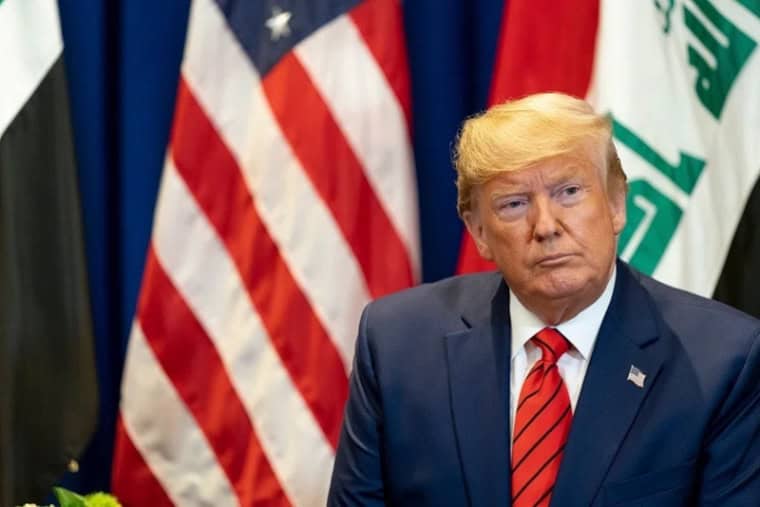
On 28 February 2026, the United States and Israel struck multiple locations across Iran, including the capital, Tehran, in what US President Trump described as “major combat operations.” In addition to targeting nuclear and military infrastructure, strikes hit several ministries in the southern part of the Iranian capital. This is a major operation indeed, which includes the assassination of the Iranian leader, Ayatollah Khamenei. This is Washington’s largest military mobilisation in the region since the Iraq war.
The pretext for this military attack is Iran’s nuclear programme. The United States has demanded a permanent end to all uranium enrichment, strict limits on Iran’s ballistic missile program and a complete halt to support for regional proxy groups. Other countries in the region, such as Israel and Pakistan, already have nuclear weapons. But they are US allies. Iran had agreed in 2015 upon a limitation of its [program], which Trump tore apart three years later. In the last week, it appeared negotiations on a new deal was imminent.
The real reason behind the bombing of Iran has been openly stated by Trump: it is to force compliance to US diktats by creating conditions for a change at the top of the regime. Netanyahu projected that the “joint action” by Israel and the US “will create the conditions for the brave Iranian people to take their fate into their own hands.” Trump told Iranians to “take over your government — it will be yours to take.” The bombs, we are told, are a gift to the Iranian people. Their hypocrisy and cynicism is staggering.
One of the first ‘targets’ hit inside Iran was a school, with at least 60 causalities. We note that Israel and now the United States have normalised ‘scholasticide’, and ‘infanticide’. The killing of innocent school children and destruction of schools have become central weapons of their wars. We also note that by all accounts, the talks on a possible nuclear treaty were progressing, with the mediators only hours before the attack saying positive outcomes were on the cards.
Trump, and the class he represents did not want the talks to succeed. They wanted and needed a war, not only to consolidate the Zionist and US imperial axis across the Middle East in readiness for what they hope will be an undisturbed ‘rehabilitation’ of Gaza, but also to make it clear to all the governments and the peoples of the region, and the rest of the world, that opposition to them will not be tolerated.
Domestic Distractions and the Epstein Files
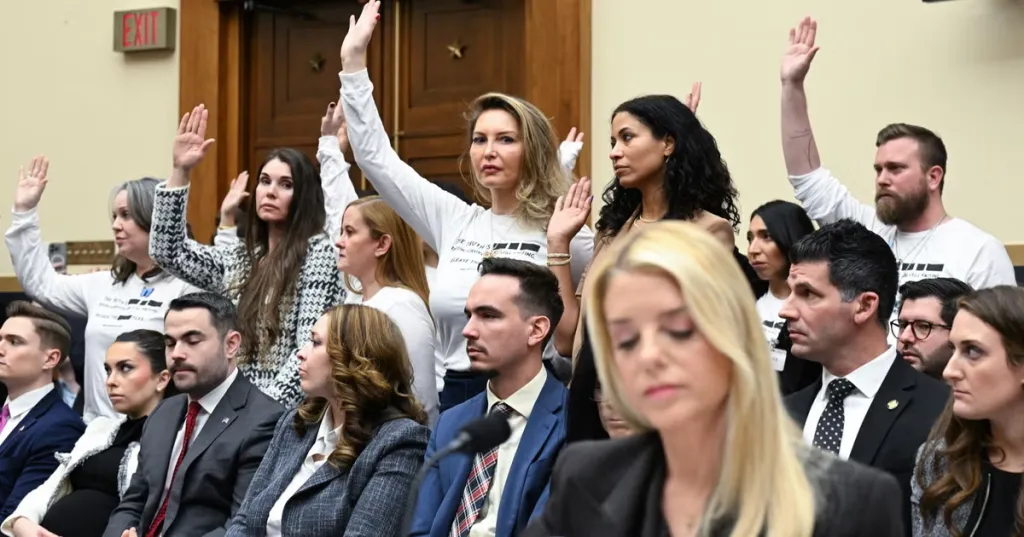
There is also a domestic dimension to Trump’s unprovoked attack on Iran, reminiscent of Thatcher and the pointless and murderous Falklands war. With increasing scrutiny and pressure being applied for the release of the Epstein files, growing numbers of the once solid MAGA base, and many others, are being shaken out of their blind support and complacency. The evidence that is emerging of the most sickening and depraved abuse of children by a coterie of the extremely wealthy and powerful is now unavoidable.
A war with Iran provides a perfect smoke screen on several counts:
- Firstly, to distract from the damaging disclosures contained in the Epstein files. Support for Republicans in the run up to the mid-term elections is starting to look increasingly fragile.
- Secondly, to reinforce an already dangerous level of Islamophobia and xenophobia aimed especially at the migrant community, which aims to divide and conquer the working class.
- Thirdly, to distract from the parlous state of the US economy and its impact on the already poor and struggling working class, despite the ‘trumpeting’ to the contrary.
And then of course, those who have already made literally billions as a result of the Israeli genocide will be rubbing their bloody hands in glee. European ‘trumpeters’ like Keir Starmer—whose Labour Party have just been spectacularly defeated by a Green Party women candidate—has in true lickspittle Thatcherite fashion jumped to the defence of the US and Israel. Starmer’s government continues to supply Israel with high calibre weapons and provide air cover for Imperialism’s war criminals.
Imperialism’s Destruction
Let us be absolutely clear about what imperialism is. It is not simply the use of military force. It is the use of military force by dominant capitalist powers to restructure the world in their interests — to control resources, expand markets, discipline resistant states and maintain a global order that serves capital above all. The United States has done this repeatedly for many decades: Iran in 1953, when the CIA overthrew the democratically elected Mossaddegh, Vietnam, Bolivia, Chile, Iraq, Libya, Afghanistan – the list is long, the outcomes brutal. The pattern is not hard to see.
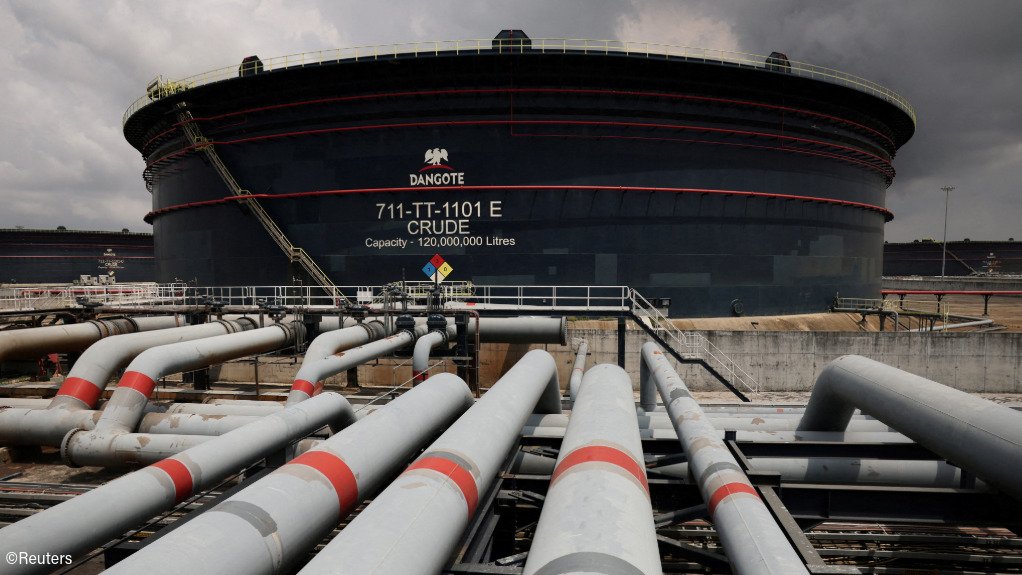
The bombs falling on Iran today do not fall because Trump cares about Iranian protesters. If he did, he would not be simultaneously gutting every international human rights institution and deporting migrants to torture. Trump and his coterie of super wealthy hate the poor and have acted violently against protesters at home and globally. The bombs fall because Iran has been a state rivalling US hegemony in a strategically critical region, sitting atop vast energy reserves, adjacent to key shipping lanes, stubbornly refusing integration into the US-led order.
The hypocritical use of force reveals the real logic. Iran is targeted not because it is uniquely dangerous, but because it is an obstacle to US – Israel total domination of the region.
We cannot ignore Israel’s role here. A state that has perpetuated a genocide which killed tens of thousands of people in Gaza, that maintains an illegal occupation of Palestinian land, that practises apartheid — this state is now presenting itself as a defender of Iranian freedom. The audacity is breathtaking. Netanyahu declared the strikes were intended to “remove an existential threat,” the same justification used for every Israeli military adventure. Israel’s security establishment has long sought to destroy Iranian military capacity, not to liberate Iranians, but to permanently cement Israeli regional dominance.
Socialists oppose this. We oppose it not because we love the Islamic Republic, but because we understand that imperialism does not liberate — it devastates, destabilises and empowers the worst tendencies of every society it touches.
The Problem of “Campism”
There is a shameful tradition on parts of the left of backing any state that stands in opposition to the United States, no matter how repressive. We have seen it with Assad’s Syria. We have seen it with some responses to Russia’s invasion of Ukraine. And we will see it now with Iran, where some voices will wrap themselves in anti-imperialism while conveniently forgetting the thousands of dead protesters, the mass executions, the imprisonment of labour organisers, the persecution of women opposing the forced wearing of the hijab, the crushing of every independent working-class movement.
This is not anti-imperialism. It is campism — the substitution of geopolitical team-picking for actual solidarity with the oppressed. It is a politics that privileges state actors over social movements, and that treats the working class of countries like Iran as mere pawns in a great game between rival powers.
The Iranian protesters who flooded the streets in December and January are the constituency whose interests genuine socialists must defend. And those interests are served neither by the Islamic Republic’s survival nor by US-Israeli bombs.
This situation is genuinely complex, and we should not pretend otherwise. Iran’s regime, for all its brutality domestically, has functioned as a kind of counterweight to complete US hegemony in the Middle East. The “Axis of Resistance” — Iran, Hezbollah, Hamas, the Houthis — has been the primary military force challenging Israeli territorial expansion and American dominance in the region.
The weakening of this axis through Israeli military action in 2024 and 2025 has not brought peace. It has brought the unchecked bombardment of Gaza. It has emboldened the most fascistic elements of Israeli politics. The removal of Iranian power, whatever form that takes, creates a vacuum — and vacuums in the Middle East have historically been filled not by democracy, but by chaos, sectarian war and further foreign intervention.
What Solidarity Actually Means
Real solidarity with the Iranian people means supporting their right to determine their own future — free from the Islamic Republic and free from USA and Israeli interference. It means standing with the trade unions which operate underground, the feminist movements that defied compulsory hijab, the student organisations that have built networks of resistance across Iranian universities. It means denouncing both the theocratic terror of the Islamic Revolutionary Guards and the imperial terror raining down from the skies.
It means demanding an immediate end to the bombardment. It means demanding that our governments, here in Southern Africa and everywhere else, refuse to participate in or legitimise this aggression. South Africa, which has taken a principled position on Gaza at the International Court of Justice, must unequivocally condemn the USA – Israel assault.
And it means being honest about the limits of our options. The left does not have the power to simply stop this war. But we must refuse to be co-opted into providing moral cover for either side. We can build the international solidarity networks that will matter when this is over — when Iranians, having survived both their regime and foreign missiles, are rebuilding their movements and their country. We can insist on a politics that starts from the interests of ordinary people, not states. Not the Islamic Republic. Not the Israeli state. Not the US empire. The people.
That is what socialist internationalism has always meant. It is what it must mean today.
Issued by the National Committee of Zabalaza for Socialism
Spokesperson: Siya Mama
Email: mamasiyabulela@gmail.com
Phone: +27 65 970 7079