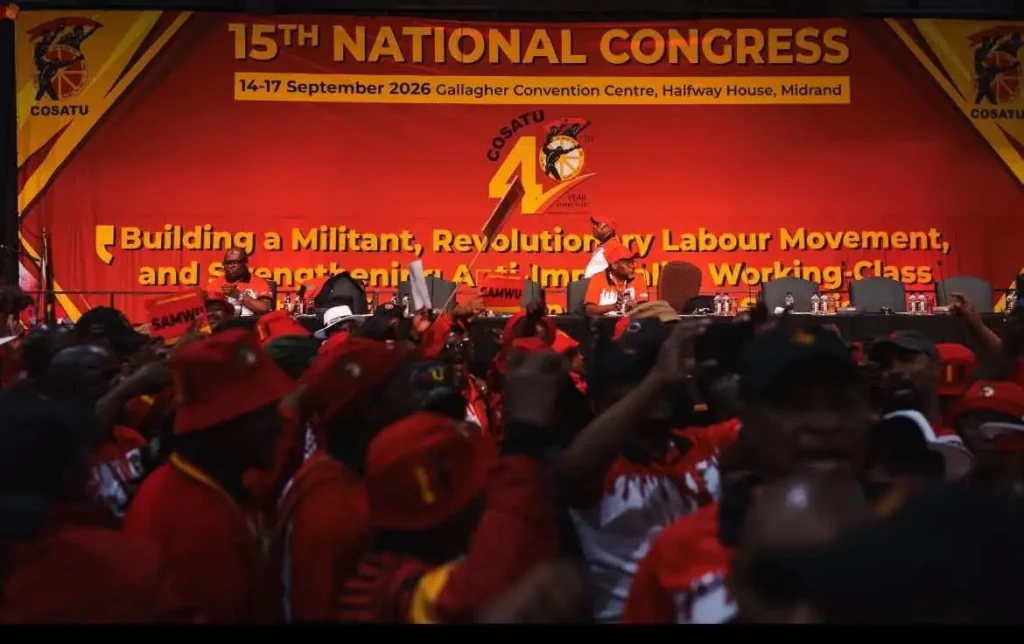
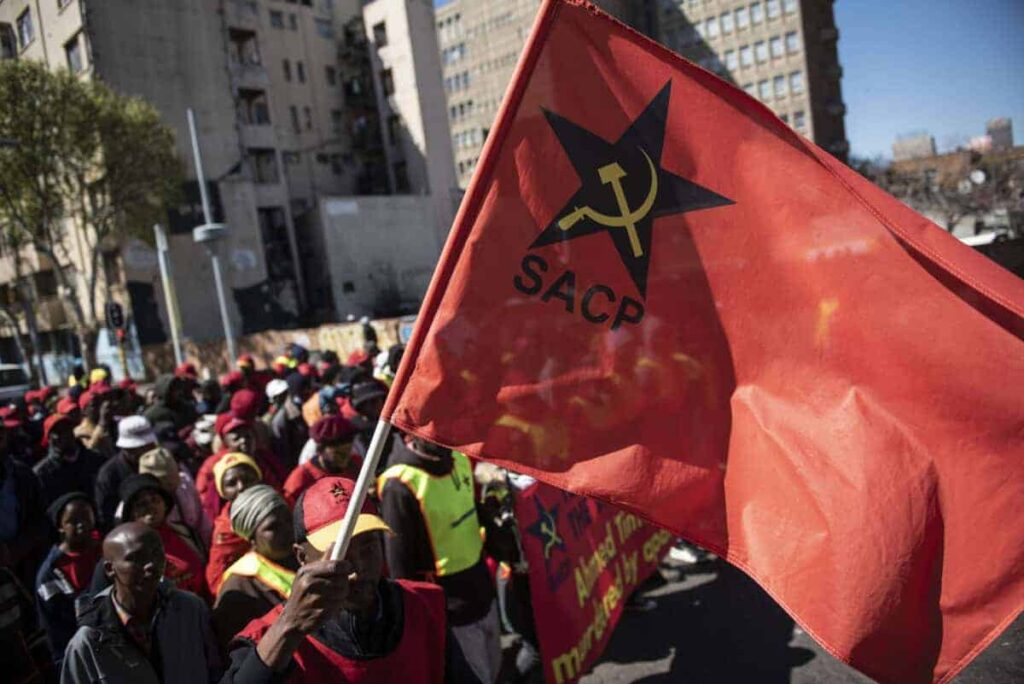
The inclusion of right-wing populist formations in the South African Communist Party (SACP) ‘Conference of the Left’ to be held at the end of the month alongside formations such as the African National Congress (ANC) and the uMkhonto weSizwe Party (MKP), can only escalate rather than resolves the deep contradictions facing the South African left today.
The SACP’s contradiction is no longer merely ideological; it is political, organisational, and material. This is reflected in the lived experiences of workers facing unemployment, austerity, collapsing public services, and intensified exploitation, while organisations claiming to represent socialism remain tied to forces responsible for administering the capitalist crisis. At the centre of this contradiction lies a decisive question: how can a party claim to advance socialism while simultaneously participating in and defending a capitalist state?
For three decades, the SACP has remained embedded within the Alliance led by the ANC, a governing formation that has implemented neoliberal economic policies which have deepened inequality, privatised and casualised labour, imposed fiscal austerity, and attacked the public sector. Yet the SACP continues to speak the language of socialism, radical economic transformation, and working-class emancipation. This creates a profound crisis of political credibility.
The contradiction between revolutionary rhetoric and state practice has become increasingly difficult to ignore. The SACP presents itself as the vanguard of the working class, yet many of its leaders occupy positions within the very state machinery implementing austerity budgets, wage suppression, outsourcing, privatisation, anti-worker reforms, and market-driven policies designed to protect capital. This is not a passive association but direct participation in the administration of capitalism. A revolutionary organisation cannot indefinitely claim to oppose a system while simultaneously helping to manage and stabilise it. The contradiction becomes sharper when workers are expected to make sacrifices in the name of ‘economic stability’ while monopoly capital remains protected. In this context, socialist rhetoric does only become increasingly becomes disconnected from material practice but also becomes ideological cover for it.
A core principle of socialist politics is independent working-class organisation, yet the SACP remains politically subordinated to the ANC-led Alliance. This subordination has produced serious consequences, including the silencing of open confrontation against anti-worker policies, the prioritisation of Alliance unity over class struggle, confusion between socialist politics and electoral calculations, and the weakening of independent working-class power. The working class is repeatedly mobilised during elections but demobilised when confronting the state implementing anti-worker policies. This contradiction has transformed the SACP from a potential instrument of working-class struggle into a mediator between workers and the capitalist state.
The proposed ‘Conference of the Left’ exposes an even deeper crisis. By inviting formations with fundamentally contradictory class character, including the ANC, which oversees neoliberal governance, and the MKP, associated with ethnic and nationalist populism, political instability, and sections of the old patronage network, the SACP risks collapsing the political meaning of the ‘left’ itself.
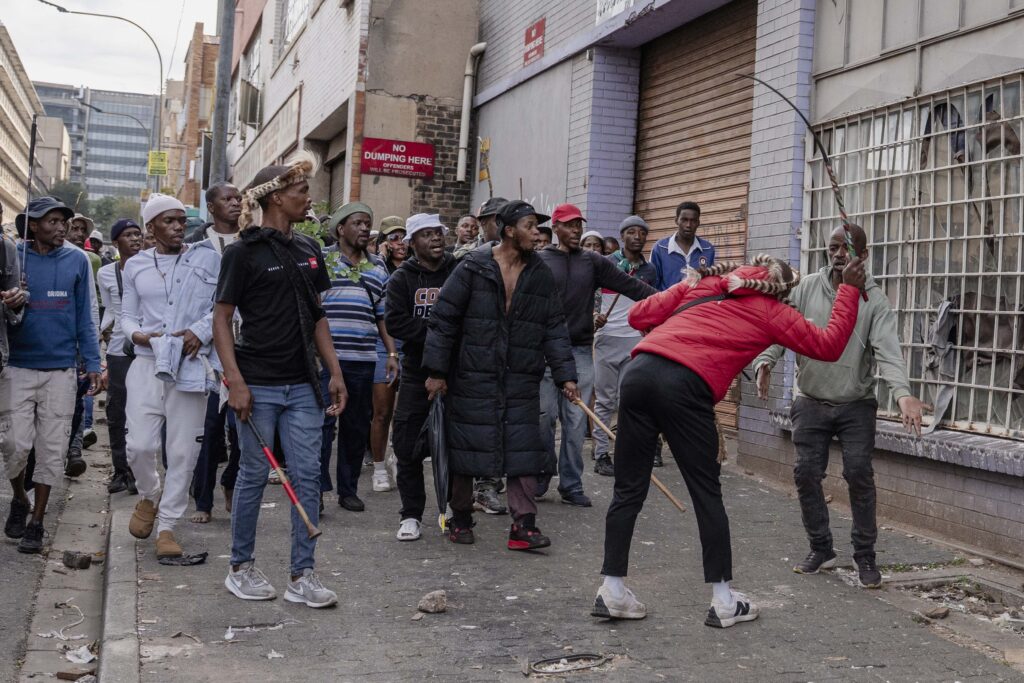
The inclusion of MKP particularly intensifies the contradiction. How can a socialist conference claim ideological coherence while embracing forces rooted in personality-driven politics, nationalist rhetoric detached from class struggle, elements associated with corruption and factional elite battles, and political tendencies that do not advance a clear socialist programme but instead drive xenophobic campaigns against migrant workers and deepen ethnic divisions?
This raises a critical concern: is the ‘Conference of the Left’ genuinely about building working-class power, or is it about constructing a broad anti-ANC electoral bloc without ideological principles? When every force opposed to the current ANC leadership is labelled ‘left’, socialism loses political meaning altogether. This produces ideological confusion, weakens socialist consciousness, dilutes class politics, and creates a false unity that masks deep contradictions between working-class interests and elite political projects. Unity without principle is not revolutionary unity; it is political disorientation.
The working class does not need symbolic unity among political elites. It needs a clear political programme, its own political organisation, political independence, and militant struggle rooted in material conditions. A process that combines socialist organisations with nationalist-populist forces and parties tied to capitalist governance risks absorbing worker struggles into elite political agendas, legitimising anti-worker forces through radical language, weakening grassroots movements, and redirecting mass anger into factional battles within the ruling political class. What is presented as ‘left unity’ may, in reality, become the management and containment of working-class dissent. The danger is that socialism becomes reduced to rhetoric while capitalist relations remain untouched.
The crisis of the SACP reflects the broader crisis of liberation movements that transformed from instruments of struggle into administrators of capitalism. The solution cannot be endless Alliance politics, vague conferences that avoid confronting contradictions, or opportunistic unity without class principle. The path forward requires rebuilding an independent working-class organisation, strengthening trade unions and community struggles, advancing socialist politics rooted in mass struggle rather than state patronage, rejecting austerity and privatisation in practice, and restoring ideological clarity on the meaning of socialism. The working class must not become an auxiliary force for competing elite factions. Its historic role is to build its own independent political power.
The SACP’s contradiction is therefore not accidental. It is the product of political choices made over decades, the most damaging of which has been the choice to remain embedded within capitalist governance while claiming revolutionary intent. The inclusion of MKP in the proposed ‘Conference of the Left’ deepens this contradiction further by collapsing the distinction between socialist politics, ethnic and nationalist populism, and elite factionalism. One cannot simultaneously defend capitalist state power, align with contradictory political forces, and claim to advance socialism.
Until the SACP resolves this contradiction through genuine working-class independence and a decisive break from neoliberal governance, it will remain trapped between revolutionary rhetoric and anti-worker practice. It is the working class that continues to pay the price through unemployment, poverty, wage suppression, austerity, and declining living conditions. The central question is no longer whether the SACP speaks the language of socialism. The real question is whether its political practice serves the interests of the working class at all.
Lebohang Phanyeko is a former National Organiser of the South African Federation of Trade Unions (SAFTU) and the current Head of Campaigns and Recruitment for the Food and Allied Workers Union (FAWU). All the above is written in his individual capacity as a union activist.