Martin Empson explains how changing water levels threaten life as we know it
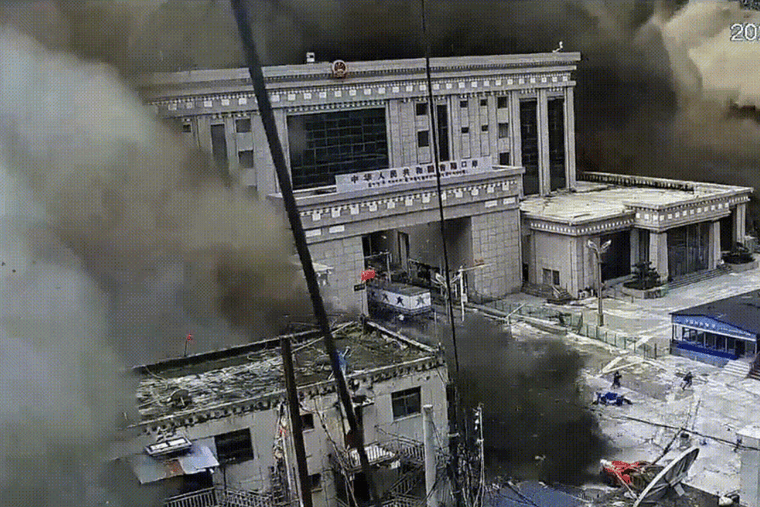
The horrific flood on the border of Nepal has killed hundreds—probably thousands—of people.
While we do not yet know the exact cause, it seems likely a glacier collapse was responsible.
New Scientist magazine reported that melting snow had weakened a massive glacier that crashed a kilometre into a valley, causing the huge landslide and flooding. If this is accurate, the disaster is directly linked to climate change.
This most recent disaster illustrates an underappreciated and often ignored threat from climate breakdown.
In this recent book, The Fate of the World, geologist and climate scientist Professor Bill McGuire, explores how the future of our warming world can be understood through planetary changes in the geological past.
But he also explains how global warming can lead to unexpected geological changes that can have disastrous consequences.
A hotter world traps heat in climate systems. This leads to more intense and unpredictable weather events, such as more numerous and more intense hurricanes.
But there are less obvious consequences that can also be deadly. Frozen water is very dense and glaciers and ice-caps weigh an enormous amount. When this ice melts, it releases weight from the Earth’s surface, causing huge volumes of rock to move.
When glaciers expanded south from the North pole during the last ice-age, their weight pushed the Earth’s surface down. Despite the retreat of the glaciers 11,000 years ago, the Earth is still bouncing back.
Today, Scandinavia is consequently moving upward at about 10 milimetres a year. Small on a human scale, but huge on a geological scale.
Similarly, changes in mountain ranges around the world can lead to major changes because the Earth moves when ice melts.
In places like the Himalayas, the Andes and the Alps, melting ice can lead to wider changes as movements displace material.
Usually these will be small landslides, but sometimes huge volumes of material are released.
Meltwater can also lubricate faults between rocks potentially releasing enormous forces causing earthquakes. Even heavy rainfalls can dump enough water to shift rock.
These links between climate change and geological changes can seem counter-intuitive. We tend to think of climate change as relating to weather. But the wider geological consequences need to be understood if we are to protect people in the future.
One example can warn us of the potential tragedy. Bill McGuire describes the “Truly Damoclean threat” at Lake Sarez in Tajikistan. There, a huge lake containing 17 billion tonnes of ice water is held back by a natural dam, itself caused by a landslide in 1911. It is the tallest dam in the world, but nearby there are 900 melting glaciers which threaten further quakes and landslides.
As the world warms, there is the possibility that one of these could cause a landslide that would displace enough water to crack open the dam, releasing Lake Sarez’s water.
In 1968, such a landslide led to two metre waves in the lake. Should the dam break today, it would have immeasurable impacts.
McGuire says the deluge would reach the city of Termez—with a population 182,000, some 1,400 kilometres away—and still be the height of a two-storey building. Tens of thousands would die.
Tragically there are probably hundreds of similar, if smaller, threats around the world. The horror in Nepal this week is just one example.
What is needed is an urgent programme that can avert or at least mitigate such potential disasters. This requires the spending of money on emergency surveys of critical infrastructures like dams and bridges, and renovation and repair where needed.
Warning and monitoring systems should be installed and upgraded. We need to train and hire new emergency workers. As the wildfires in Britain have shown, the world is critically short of firefighting equipment and trained firefighters.
But we also need an urgent programme to stop the use of fossil fuels and stop further extraction.
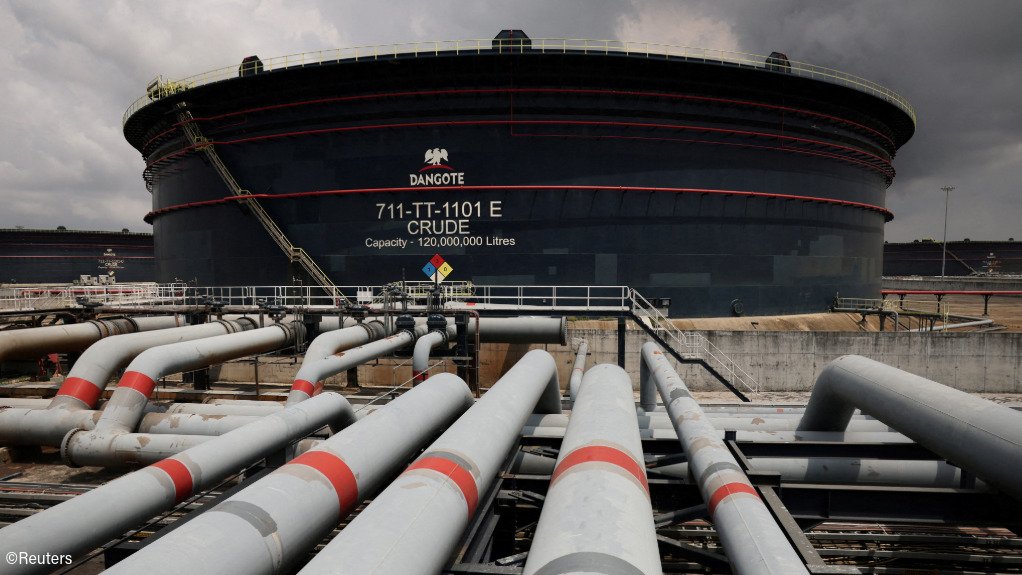
Andy Burnham must not be allowed to greenlight further oil and gas extraction in the North Sea. Every molecule of carbon dioxide released today makes the future situation worse.
We cannot prevent every flood or fire, but swift action to prepare today can lessen the impacts of those that are locked in as a result of historic emissions.
The 21st century is going to be a century of enormous disaster. We need to radically re-orientate society to prepare for it by transitioning to one where fossil fuel profits do not determine life and death.