Tag: economy

Whose Growth?

We do not seek to grow the economy. That statement, within the narrow confines of the present, is heresy. It is the ultimate rejection of the gospel according to the economists, the ministers, and the commentators who see only percentages and indices where we see suffering. Their eternal plea is for “growth,” for “investment,” for […]

On Adam Hanieh’s Crude Capitalism

Adam Hanieh, Crude Capitalism: Oil, Corporate Power, and the Making of the World Market (Verso, 2024), 336 pages. Adam Hanieh’s new book, Crude Capitalism: Oil, Corporate Power, and the Making of the World Market(Verso, 2024) could not be timelier. As all eyes turn to Baku for COP29, the capitalist world heads to yet another performance of misdirection. In […]

Beyond the Script: Why the State of the Nation Needs a Rupture, Not Reform

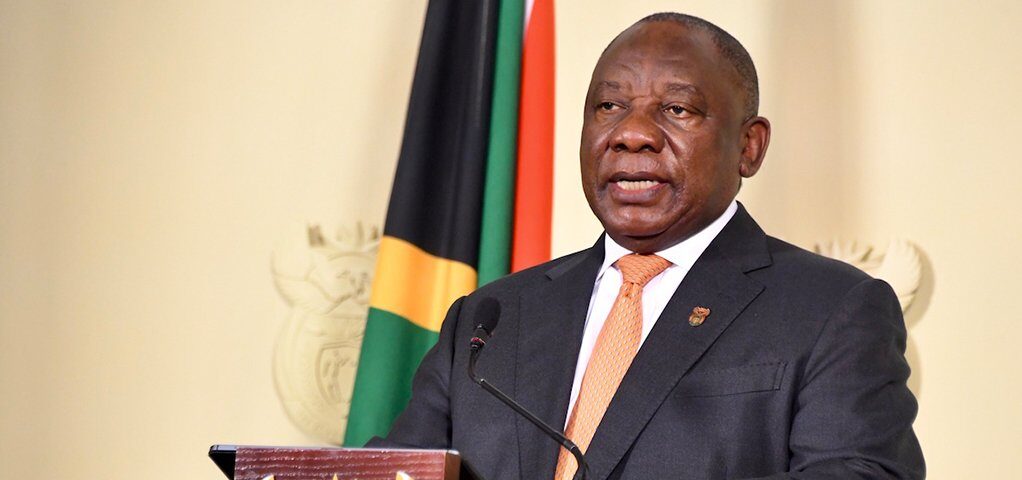
As Cyril Ramaphosa prepares to deliver yet another State of the Nation Address, the ritual repeats itself. Big business demands “confidence.” Ratings agencies insist on “discipline.” Trade union federations and NGOs submit carefully worded proposals about what the President “should prioritise.” Once again, we will be told that progress is being made, that stability is […]

The EU’s ‘Investment Package’ isn’t Aid — It’s guaranteed profit for private capital

The investment gap Over the past three decades, South Africa’s fixed investment — spending on physical assets such as factories, machinery, and infrastructure — has averaged just 16 percent of GDP. This is roughly half the average for upper-middle-income economies. Chronic underinvestment in the real economy, where most jobs are created, has contributed to the […]

From Protest to Power: Lessons from Kenya’s Gen-Z Revolt

On June 25, 2024, Kenya witnessed a rupture in its post-2002 political consensus. What began as resistance to the Finance Bill—a set of regressive taxes backed by the IMF and marketed as “fiscal reform”—rapidly escalated into a nationwide revolt. The initial mobilizations, led primarily by young people outside of formal party structures, coalesced around a rejection of the rising cost of living, state corruption, and elite impunity. Within days, the protests spread from Nairobi to other urban centers. That afternoon, demonstrators breached the parliamentary compound. Security forces responded with lethal force. Dozens were killed, while hundreds were abducted, detained without trial, or tortured. Though President William Ruto ultimately withdrew the bill, that concession did not resolve the deeper political crisis. By then, the protests had evolved into a broader denunciation of the state’s coercive apparatus and the hollowness of the country’s democratic institutions.

SEARCH

© Zabalaza for Socialism 2025. Designed and Developed by BrightQuill