We are underestimating the devastating impact of the death of politics in South Africa.
Not politics as elections, conferences or speeches, but politics as the conscious, organised participation of ordinary people in shaping their collective future.
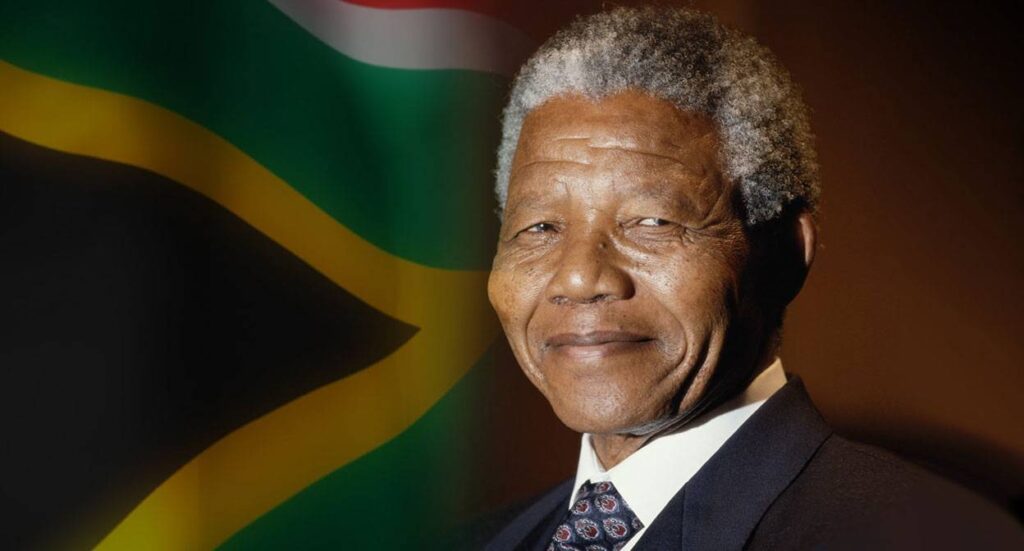
We have never honestly analysed how the “big man” phenomenon hollowed out our democratic culture. The towering moral authority of Nelson Mandela, while historically earned and deeply respected, unintentionally produced something dangerous: a culture in which leaders were treated as beyond criticism. Those who returned from exile were regarded as if they knew everything, as if their struggle credentials made them infallible and demigods!
And the rest of us were reduced to spectators.
Who am I to question – I was not in Robben Island?
Who am I to disagree? I did not receive military training in the Soviet Union.
Who am I to contest their views? I have not been at the University.
That is how internal democracy quietly died.
The debate faded.
Branches stopped deciding.
Leaders stopped consulting.
Patronage replaced participation. Loyalty replaced accountability. Careerism replaced conviction.
Once that culture collapsed, everything else became possible.
Privatisation could be declared a fundamental ANC policy without real internal resistance from the Messianic figure, Nelson Mandela.
GEAR could be imposed from above.
Today, neoliberal policies like GAIN and Operation Vulindlela are adopted without mandates from branches or workers.
Policies that fundamentally reshaped the lives of millions were introduced without democratic contestation.
Because the movement had already been depoliticised.
Members stopped debating.
Branches stopped deciding.
Leaders stopped consulting.
Internal democracy died!
Politics became administration.
Citizens became voters only.
Cadres became careerists.
And today we see the result: a society where the masses feel powerless, where decisions are taken by elites, and where the very people who fought for democracy feel alienated from it.
This is not just a policy failure.
It is the consequence of the death of politics itself.
The evidence of this crisis is all around us.
Today, roughly two-thirds of voters no longer have hope in electoral democracy.
Only about 23% of workers still believe in unionism.
The once-vibrant youth, student, women and issue-based movements are shadows of themselves.
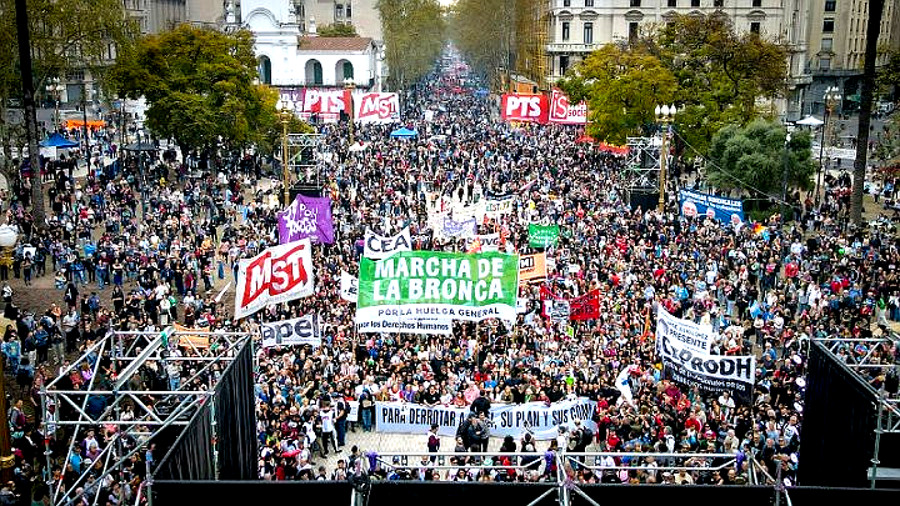
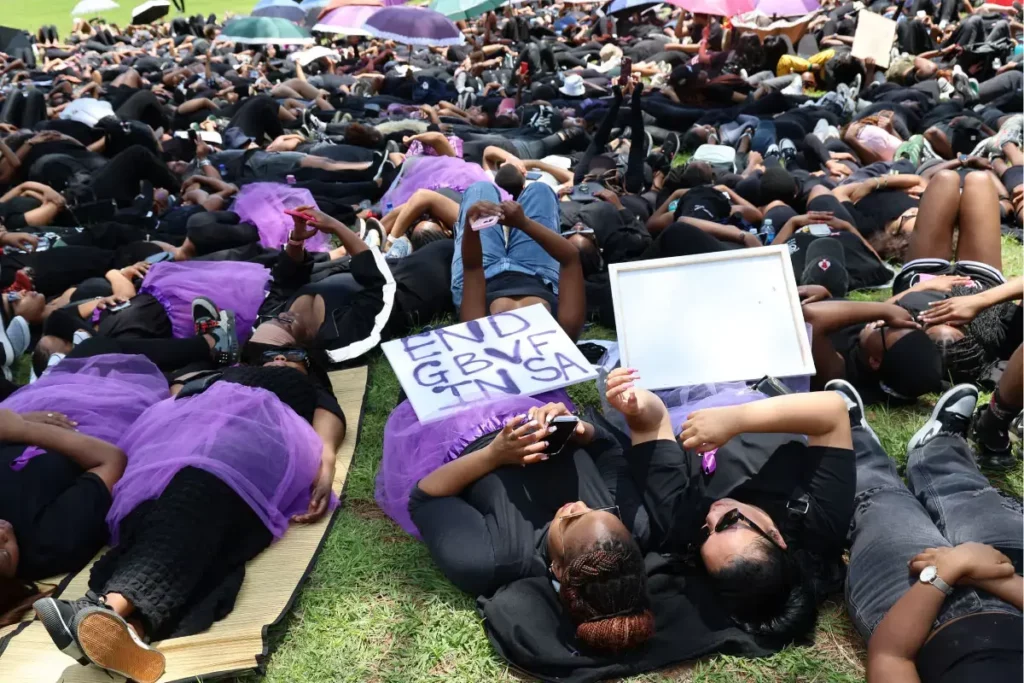
Yes, we remain the protest capital of the world, with between 12,000 and 13,000 protests a year, several of which turn violent daily, according to police reports to Parliament. But these protests are fragmented and disconnected. They do not speak to each other. They are not coordinated. They do not grow into a conscious, organised movement of the people.
Anger exists!
It is expressed at dinner tables, on radio, on social media.
Not in sustained collective action.
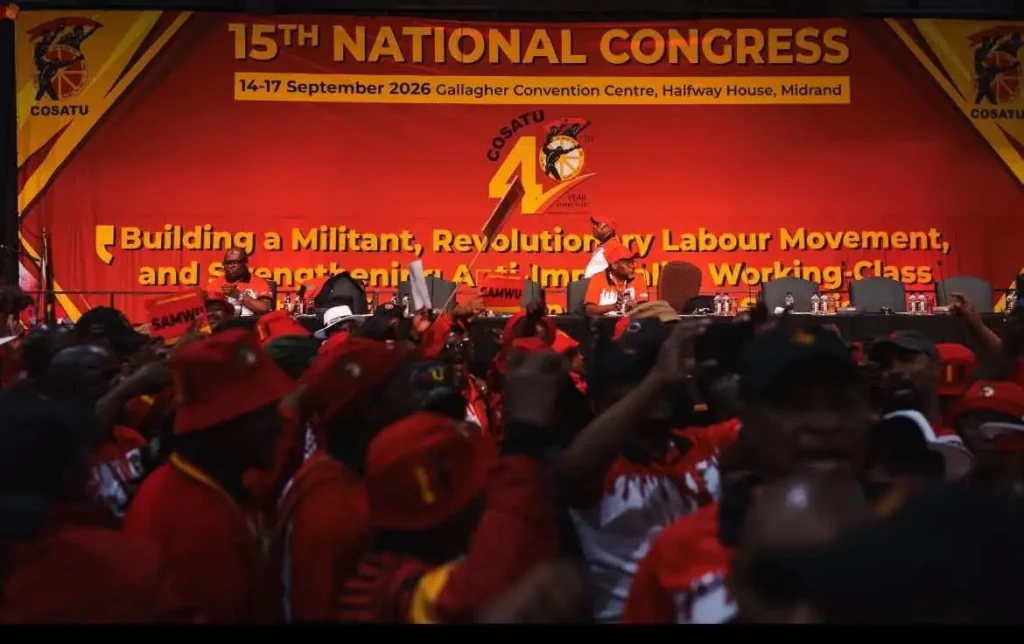
Even within the trade union movement, this depoliticisation is visible.
As an example amongst many, take the International Day of Solidarity with Venezuela, endorsed by the SAFTU NEC. Outside the SAFTU secretariat, there was only one NEC member present. There were fewer than twenty FAWU activists, and only a handful from GIWUSA.
That is not mobilisation.
That is disengagement.
When was the last time we saw trade union leaders regularly joining community struggles against evictions, water cuts, hunger and the broader polycrisis we speak about? How many are visibly leading marches for living wages, against retrenchments, outsourcing and job losses?
If this is the reality, we must ask ourselves honestly: how many working-class people still see trade unions, and SAFTU in particular, as their ally in the struggle for total emancipation?
That is the debate that should occupy us now.
Because unless we rebuild democratic culture, the right to question, to disagree, to organise and to hold leaders accountable, democracy becomes a ritual, not power.
Without active, conscious participation of the people, politics dies.
And when politics dies, the poor pay the price.