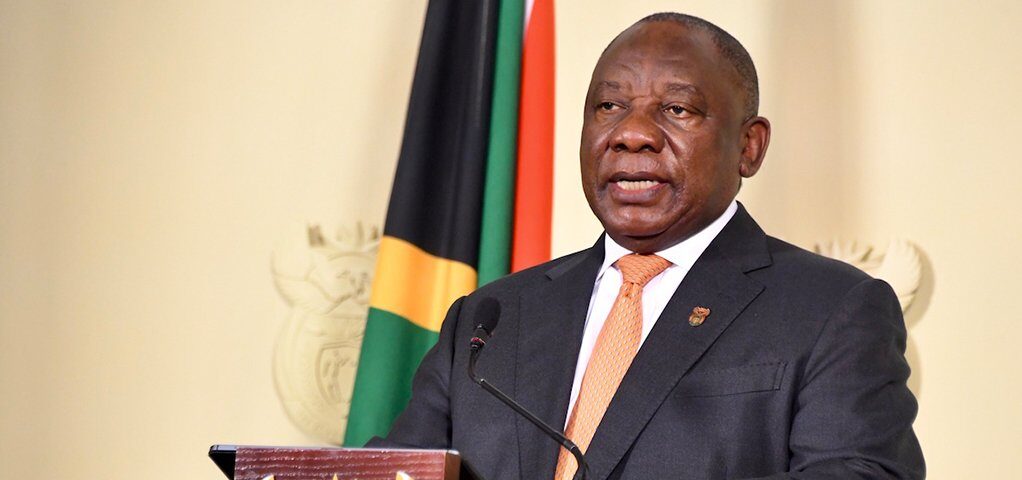
As Cyril Ramaphosa prepares to deliver yet another State of the Nation Address, the ritual repeats itself. Big business demands “confidence.” Ratings agencies insist on “discipline.” Trade union federations and NGOs submit carefully worded proposals about what the President “should prioritise.” Once again, we will be told that progress is being made, that stability is returning, that growth is around the corner.
But beneath the choreography lies a social disaster.
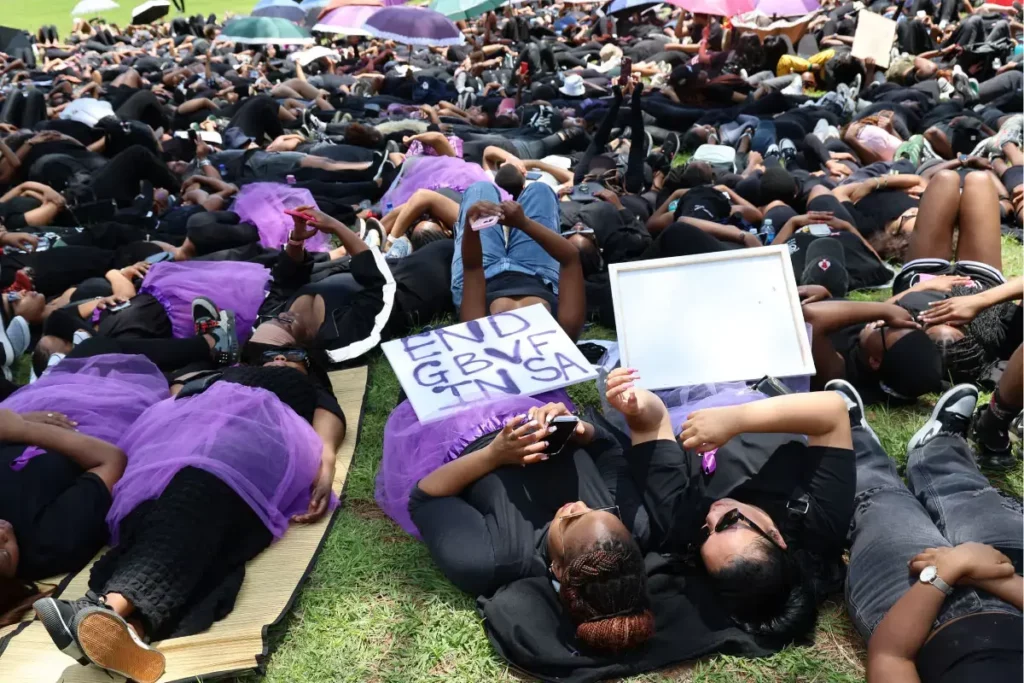
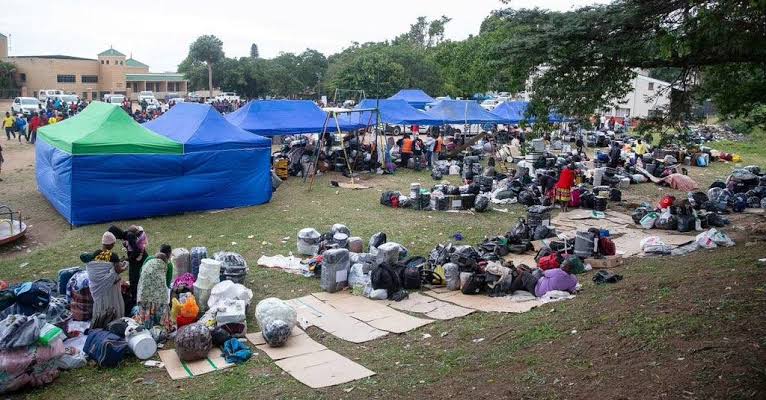
South Africa has one of the highest unemployment rates in the world. Inequality is obscene. Entire working-class communities have been gutted by deindustrialisation and casualisation. Violent crime is endemic; murder and armed robbery scar daily life. Rape and gender-based violence have reached pandemic levels, reflecting not only patriarchy but a society brutalised by poverty and hopelessness. Substance abuse spreads where livelihoods have been destroyed. Public health and education systems are buckling. Municipalities are collapsing under corruption and austerity. Millions face energy and food insecurity in a country overflowing with wealth.
These are not unfortunate accidents. They are the predictable outcomes of a capitalist order that treats human need as secondary to profit.
South Africa remains trapped in a neoliberal framework that elevates the interests of financial capital and creditors above the needs of workers and the unemployed. Until that framework is smashed, no State of the Nation speech — however polished — will alter the trajectory of deepening inequality and decay.
When “Progress” Means Prepaid Meters
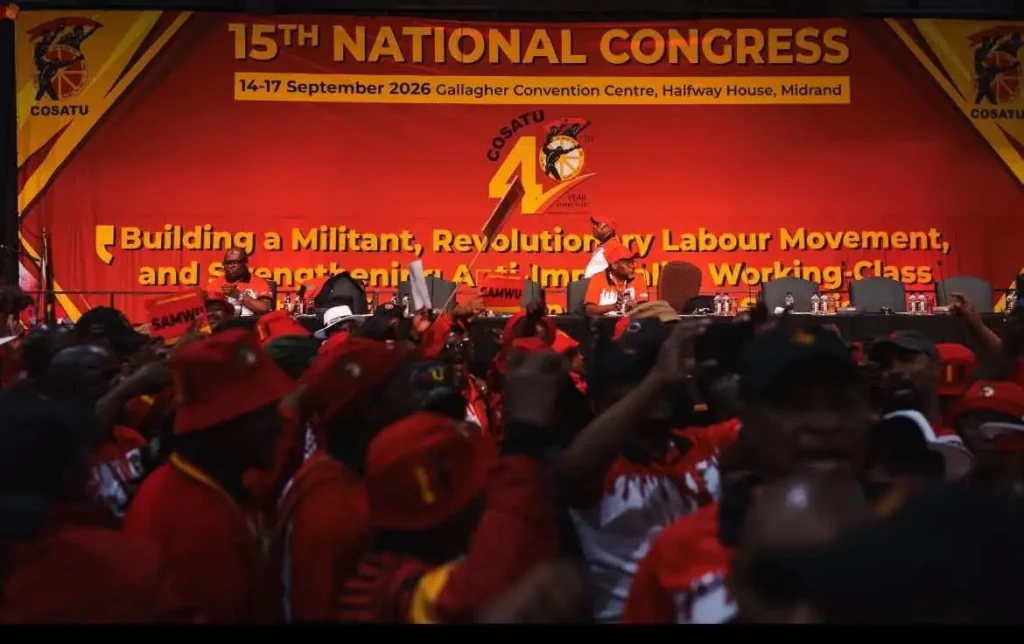
Consider COSATU’s welcome of “massive progress” in overcoming loadshedding and its call to move all consumers onto prepaid electricity.
In a country with over 40% expanded unemployment and deepening energy poverty, prepaid meters are presented as the answer to unaffordable electricity.
This is not progress — it is surrender. Instead of fighting for decommodified basic services, sections of organised labour now defend mechanisms that deepen commodification. Prepaid systems shift the burden onto the poor. When you cannot pay, you are cut off. No protest. No confrontation. Just silent disconnection.
Electricity becomes a commodity, not a right. Affordability is reduced to individual discipline rather than collective redistribution. This narrowing of political imagination reveals a deeper crisis: parts of the union and NGO leadership have moved from confronting power to managing its consequences.
A Structural Crisis
The crisis is not managerial. It is systemic.
Despite temporary revenue boosts from commodity cycles, the economy remains stagnant and structurally deindustrialised. Yet government policy remains obsessed with “fiscal consolidation” and “debt sustainability.” Billions flow annually to bondholders while communities crumble.
Debt service devours the budget. Austerity is normalised. Social spending is cut. Public sector jobs are frozen. Infrastructure rots.
The Government of National Unity represents not stability, but a consolidation of pro-business forces and an acceleration of neoliberal reform. Privatisation advances through public-private partnerships, outsourcing and market liberalisation. State-owned entities are carved up and restructured to prepare them for private penetration.
Eskom Unbundling
Eskom’s unbundling is central to this offensive. Generation, transmission and distribution are separated to manufacture a so-called competitive market.
We are promised efficiency. International experience delivers volatility, price spikes and speculation. Energy becomes another site for financial extraction.
In South Africa this will mean job losses and weakened democratic control over a strategic sector — precisely when coordinated public planning is needed for a just transition. Instead of defending public ownership and deepening democratic control, reformers negotiate the terms of dismantling.
No Strategy for Jobs
There is no serious strategy to end mass unemployment within this framework. The mantra that private investment will save us has been repeated for decades. The outcome is retrenchments, precarious work and a ballooning informal economy.
A genuine employment strategy would mean confronting capital, directing investment, and breaking with the logic of profit maximisation.
A Country Awash with Wealth
We are told there is no money. This is a political lie.
The top 0.01% — roughly 3,500 individuals — own about 15% of household wealth, more than the bottom 90% combined. Around R1.8 trillion sits idle in corporate accounts. The Government Employees Pension Fund holds roughly R2.7 trillion. Private retirement funds hold between R5–6 trillion.
South Africa is not poor. It is plundered.
The problem is not scarcity. It is class power. These vast resources are mobilised to stabilise financial markets, not to meet human need.
What a Real Break Would Mean
A genuine rupture would:
* End austerity and redirect resources toward social need.
* Halt all forms of privatisation.
* Launch a mass public housing programme to drive industrial revival.
* Expand affordable public transport.
* Develop publicly owned and democratically controlled renewable energy.
* Implement land redistribution geared toward food sovereignty and agro-processing.
* Reindustrialise through state-led investment and public procurement.
* Expand the care economy — health, education and social welfare — as pillars of social reproduction.
Funding would require progressive wealth taxation, redirecting pension capital toward developmental mandates, capital controls, and reducing the stranglehold of debt service.
This would not be granted from above. It would require confrontation with financial capital and organised power from below.
From Appeals to Struggle
But here lies the final problem.
We cannot rely on Ramaphosa to announce this rupture. Nor can we expect polite submissions from NGOs or carefully worded statements from union spokespersons to shift the direction of the state.
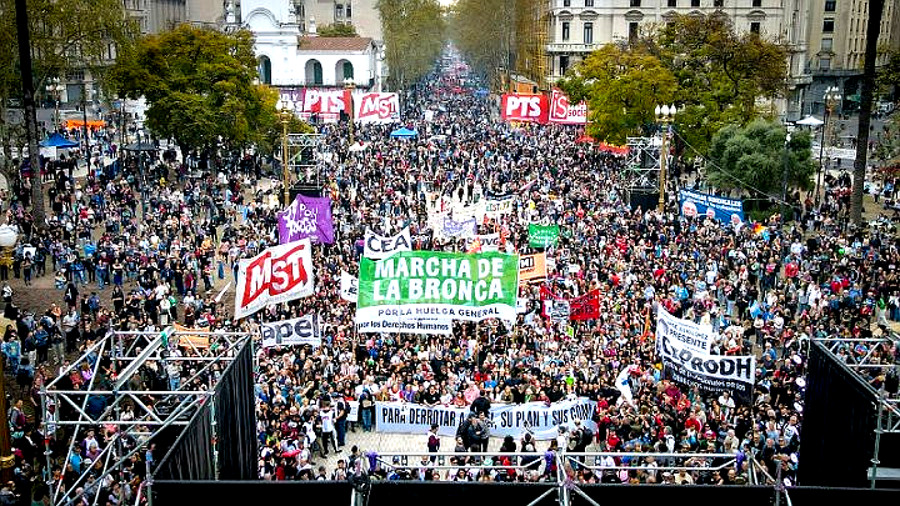
Budget cuts must be resisted in the streets and workplaces.
Privatisation must be resisted through organised mass action.
Retrenchments must be fought, not managed.
The crisis demands more than mild-mannered proposals about what the President “should” include in his speech. It demands a revival of militant, independent working-class politics.
The State of the Nation is not delivered in Parliament. It is shaped in the balance of forces in society.
If we want a different speech — we need a different struggle.