
We do not seek to grow the economy.
That statement, within the narrow confines of the present, is heresy. It is the ultimate rejection of the gospel according to the economists, the ministers, and the commentators who see only percentages and indices where we see suffering. Their eternal plea is for “growth,” for “investment,” for “stability”—all to better manage the same machine that has, for centuries, extracted our wealth and expelled our people to its barren peripheries.
We see the reality they obscure: “growth,” in the economy controlled by white monopoly capital, is not a rising tide. It is a dredging operation. It deepens the channels through which our minerals, our harvests, and our labour are siphoned away, leaving behind deeper pits of inequality, polluted rivers, and townships of jobless spectators. To ask for better management of this system is to ask for a more efficient thief. We refuse.
We do not want to grow that economy. We want to rupture the monopoly itself.
We want an end to the polite debates about “policy uncertainty” that are, in truth, whispers between the current owners about securing their certainty. We demand the fundamental uncertainty of revolution. We want to participate in the economy not as cogs, not as consumers, not as a surplus population, but at its commanding heights.
We want to control.
We want to control finance—to direct capital by need, not greed; to fund homes and hospitals, not speculative empires.
We want to control the mines—so that the earth’s wealth benefits the people of the earth, not distant shareholders; so that extraction is balanced with restoration, and communities are beneficiaries, not casualties.
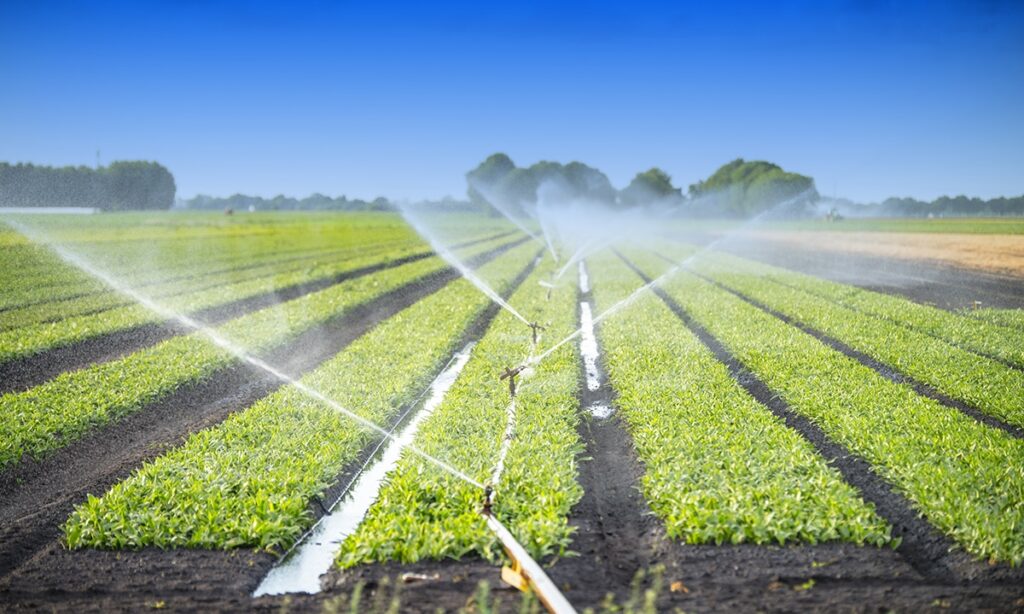
We want to control agriculture—to break the colonial stranglehold on land and food systems; to nurture the soil and feed the nation with sovereignty, not import the scraps of a global market.
We want to control the factories—to produce for domestic development, for regional integration, for human dignity, not merely for export-led profit margins.
This is not a call for a few more Black faces in corporate boardrooms—that is absorption, not liberation. This is a demand for a planned economy. Not the caricature of tyranny painted by our oppressors, but a democratic, deliberate system where the economy is a tool of the collective will.
A system that is:
Less Extractive: Of both people and planet. An end to the logic of plunder.
Sustainable: Rooted in regeneration, honouring the limits of the environment we are part of, not an enemy to conquer.
Able to Feed the Nation: Where food is a right, secured by a re-organised, democratised productive base, not a commodity at the mercy of cartels and currencies.
The economists will say it is impossible. That it will scare “the markets.” That growth will slow. They are correct. The growth they worship will—and must—cease. We are not interested in the growth of their portfolios. We are interested in the flowering of our people’s potential, in the security of our communities, in the restoration of our land.
This is not a policy adjustment. It is a project of reclamation. It is the only path that leads away from the managed decline the ANC offers and the accelerated plunder the right proposes. We do not want a bigger slice of the old, poisoned cake, baked in the oven of our oppression. We demand the ingredients, the kitchen, and the right to bake something new, nourishing, and ours.
The rupture is not economic; it is political. It is the assertion that the people, not capital, must command. Everything else is a concession to our continued servitude.