Category: In-depth

Why Trump is Going Down

JONATHAN NEALE writes One way or another, Trump is going down. This article explains why. And at the end, I look briefly at the consequences, mainly for the United States and Israel. Here’s one straw in the wind: On July 18 Vice-President J. D. Vance said on Joe Rogan’s show that Jeffrey Epstein’s operation may […]

popED: Dinga Sikwebu

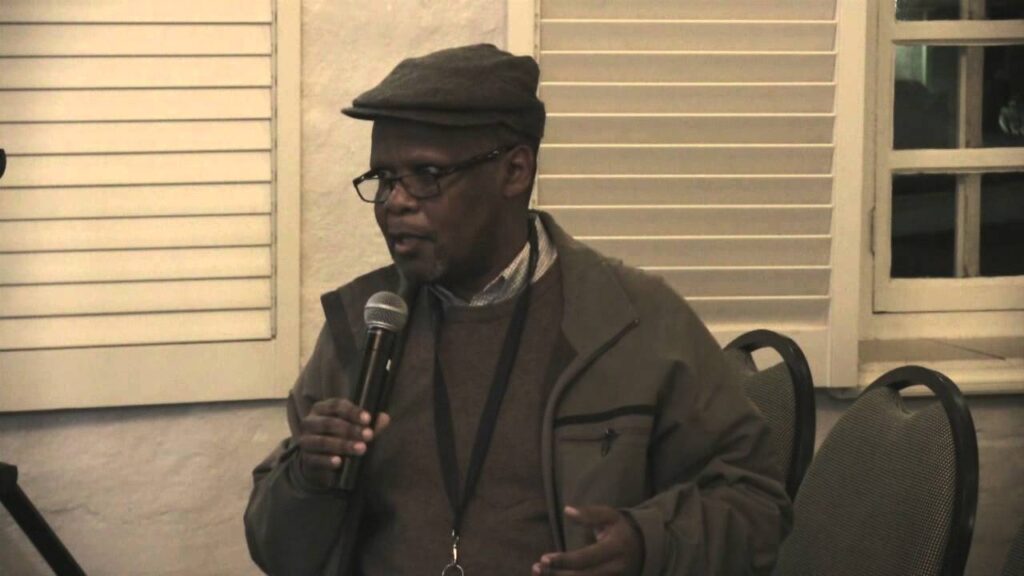
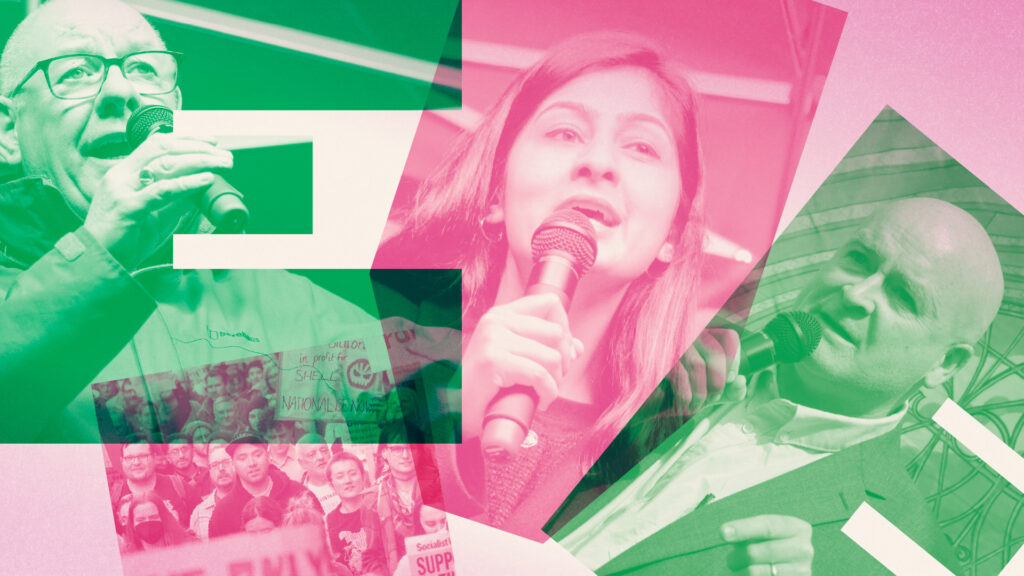
When the left confronts a political crisis, the answer is often the same: form another political party. Veteran trade unionist and political educator Dinga Sikwebu has a name for this obsession: party mania. Drawing on his experience in NUMSA and the United Front, Dinga asks whether the constant search for a new electoral vehicle has […]

Don’t surrender to the bond markets!

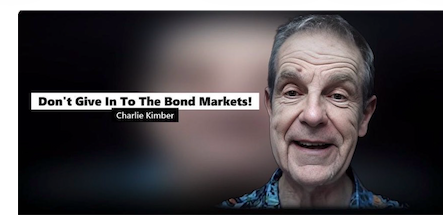
“Don’t surrender to the bond markets!”, is an audio/video recording published by Charlie Kimber on his Substack newsletter. It addresses political and economic pressures exerted by financial markets—specifically bond markets—on government policy and public spending. It argues against giving in to market demands for austerity or spending cuts, calling for political resistance to financial market pressures. Check […]

Black Dog Spirits

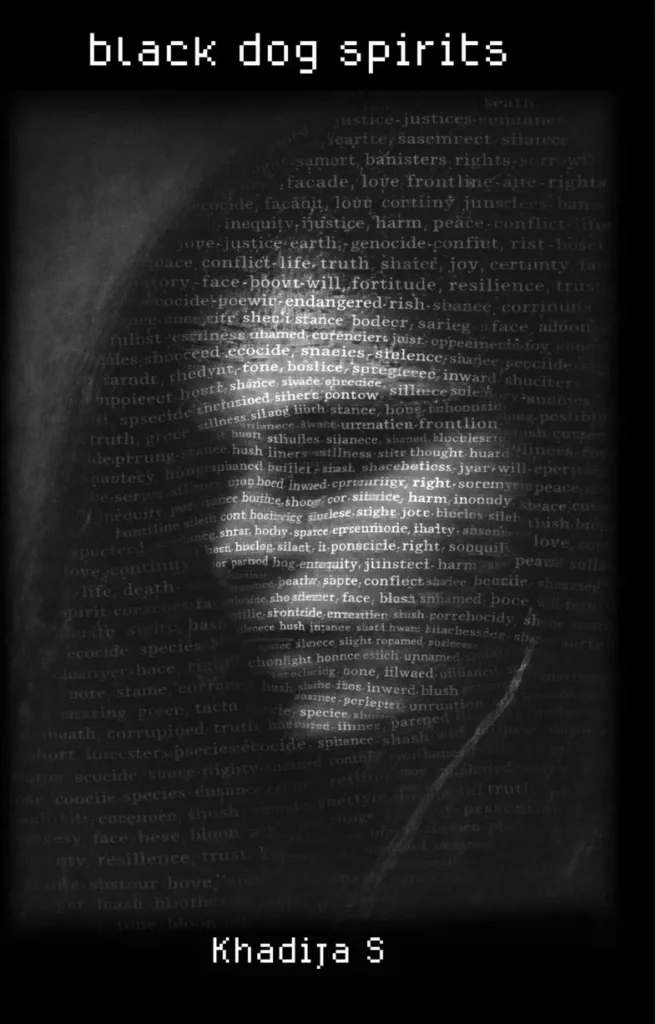
ABOUT THE COLLECTION Consisting of poems and flash fiction, this collection cuts deep as it exposes the swollen propaganda personas of a techno-feudal society exhibiting extreme inequality in terms of wealth and power. The seamless transition from genre to genre, and back again, is striking in that the taut, stripped style of the writer offers […]

Germany and its return to facism?

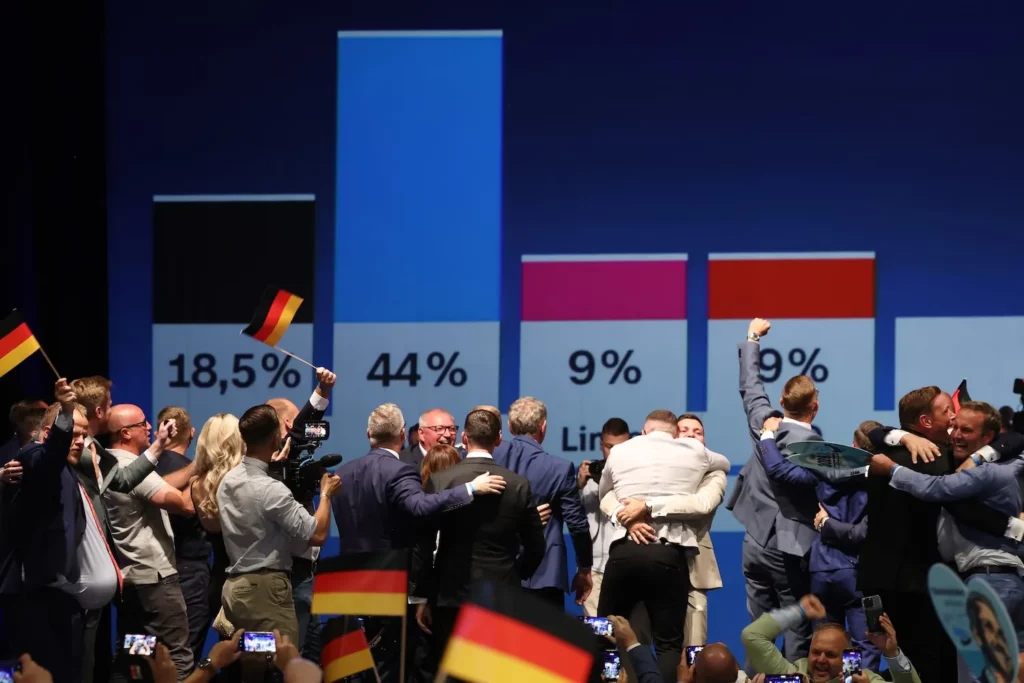
SAFTU NEC POLITICAL EDUCATION BRIEFING 1. THE SHIFT TO THE HARD RIGHT IN GERMANY IS PART OF A MUCH BIGGER INTERNATIONAL WARNING The far right Alternative für Deutschland (AfD) has surged in the Saxony-Anhalt state election in Germany. We should not read this as an isolated German development. It belongs to a much wider international political shift. […]

Adam Habib and the Politics of Opportunism

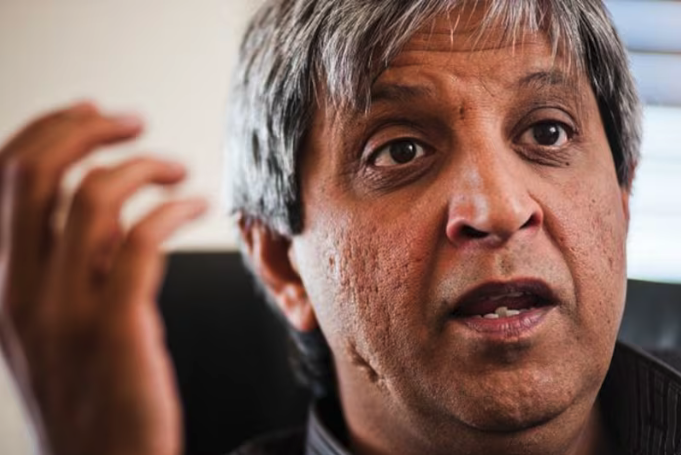
There is something almost touching about Adam Habib’s faith in Helen Zille. https://www.timeslive.co.za/politics/2026-08-18-only-zille-can-save-joburg-ex-wits-vc-habib-says-da-mayoral-candidate-perfect-for-the-job/ Johannesburg, he tells us, can apparently be rescued by one woman. If Zille does not secure an overall majority, he warns, not merely Johannesburg but “the city and South Africa are doomed.” For the job of mayor, he pronounces her “perfect.” Perfect […]

Shifting Political Terrain

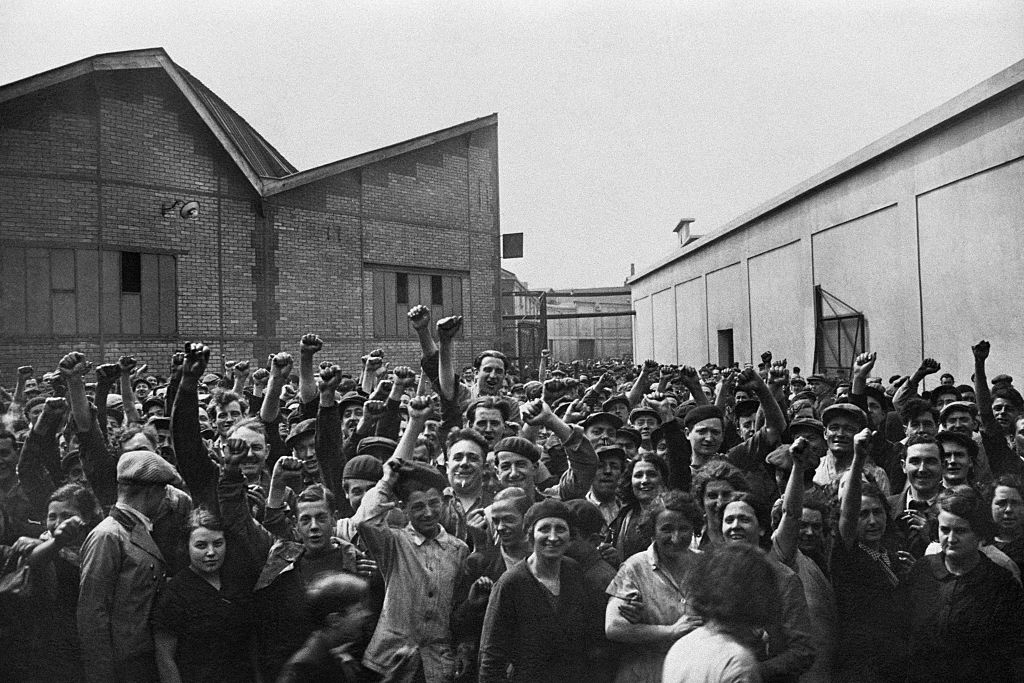
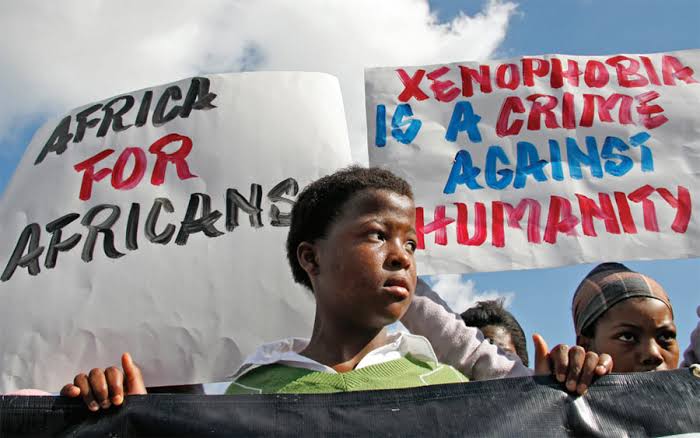
Every country gets the fascism that it deserves. The arrival of the uMkhonto weSizwe Party (MKP), March and March and a set of allied organisations on the political stage is not just a matter of new forces emerging within the field of contestation. It is also an ongoing and rapid reconfiguration of the field. This […]

The SACP and Neoliberalism

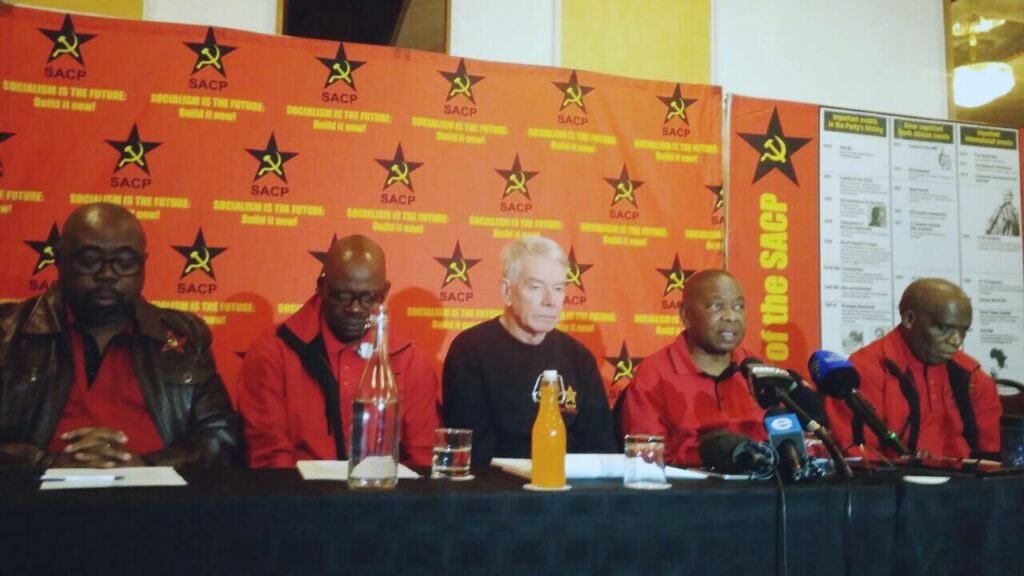
Dennis Davis and Karl Klare argue that transformative constitutionalism has not been fully pursued by the African National Congress (ANC). As the governing party between 1994 and 2024, it was in poll position to use the powers of state to give effect to and operationalise the imaginary that the 1996 Constitution presents. This imaginary, they argue, provided for a thorough transformation of the state that would have overturned the legacies of colonialism and apartheid and paved the way for the actualisation of the full human potential of particularly black people, women, poor people, and sexual minorities. Rather than it being, as anti-constitutionalist detractors would have it, a failure of the Constitution to address the urgent colonial and apartheid legacies impacting these groups, Davis and Klare contend that it is a failure of politics that has left specifically economic relations unchanged. I concur with this argument, based on my own previous analysis (Van der Westhuizen et al. 2023; Van der Westhuizen 2007). This failure of politics becomes apparent with the necessary historicisation —that is, when the actual conditions and relevant political and ideological factors and actions informing the transition to democracy are studied. Such historicisation makes a nonsense of claims that South Africa’s constitutional democracy amounts to mere neo-apartheid (see for example Mpofu-Walsh 2021). I would add to the diagnosis of a failure of politics the failure of political imagination, due in part to what can be described as post-socialist attachments. The concept of ‘post-socialism’ is derived from analyses of the crisis-ridden incorporation of the former Soviet Bloc into the capitalist world order, and is used here with reference to the legacies of ANC exposure to Soviet political practices during the exile period (Engel and Saunders 2023; Kalb 2019). While exiled members of the ANC and its ally the South African Community Party (SACP) generally possessed little knowledge about Soviet economic planning and institutions (Freund 2013, p. 520), they did return to South Africa with political ideas influenced more by party-driven centralisation of political control than by democracy — therefore influenced by an imaginary of so-called ‘revolutionary discipline’ that Stephen Ellis (2012, p. 298) describes as involving ‘contempt for real politics’.

1 2

SEARCH

© Zabalaza for Socialism 2025. Designed and Developed by BrightQuill