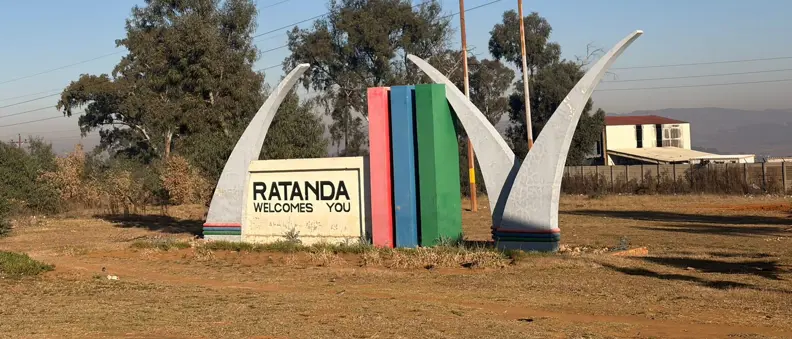
Ratanda, a working-class township south of Heidelberg in Gauteng’s Lesedi Local Municipality, has water again.
Water has returned. Katleho Mokoena and Sipho Motaung will not.
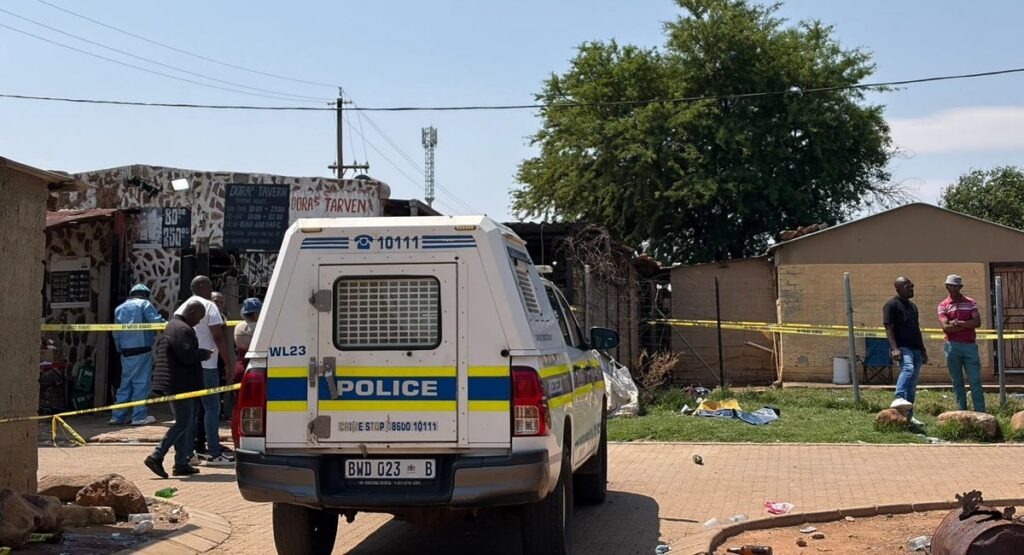
Katleho Mokoena (23) died after police confronted residents protesting weeks of water shortages on Wednesday, 1 July. Sipho Motaung later died in hospital from injuries sustained during the same protests. Residents allege that both men were shot by police, while the Independent Police Investigative Directorate (IPID) is investigating the circumstances surrounding their deaths.
The protests did not create the crisis. They exposed it.
The water crisis began when Lesedi Local Municipality accumulated a debt of approximately R27.7 million to Rand Water, resulting in a 20% reduction in bulk water supply after repeated payment arrangements failed. For weeks, many households were left without reliable access to water while residents repeatedly demanded action.
As one community member told Siyafana Sonke:
“There’s no access to the councillor. Every time the community calls for a meeting, there’s no one to answer. The mayor has kept promising that he will solve our problems. When we finally went to raise our voices, he sent the police.”
Residents said the protest followed weeks of unsuccessful attempts to engage local authorities. Community members told Siyafana Sonke that water was the immediate cause of the protest because it had become unbearable. They also raised concerns about repeated electricity disconnections, unaffordable municipal bills and billing practices that many believe do not accurately reflect their actual consumption.
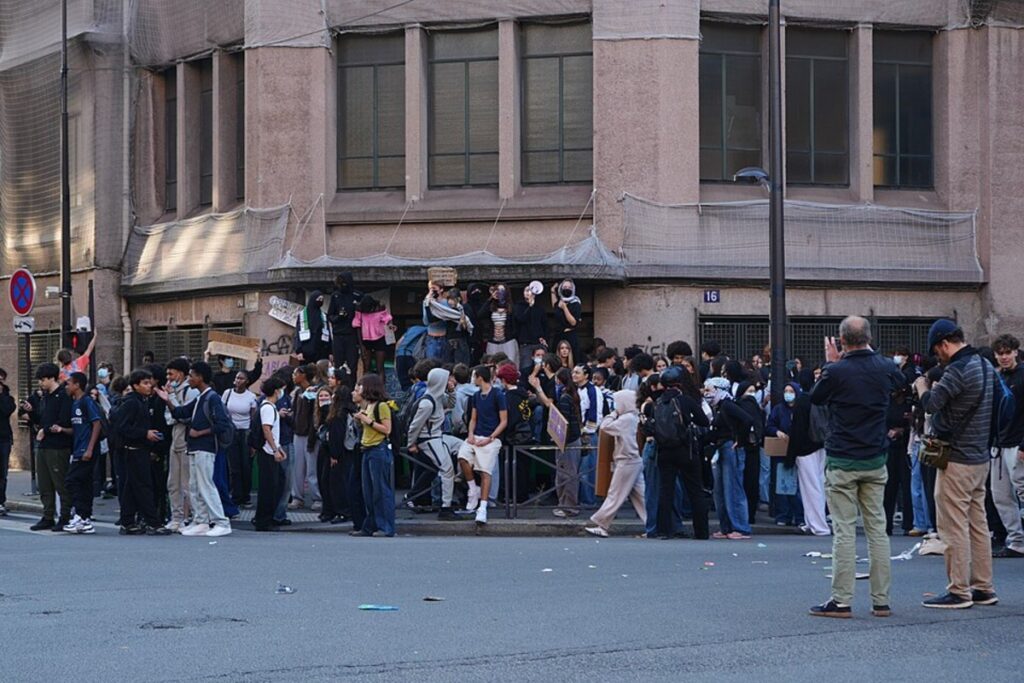
When the community finally took to the streets, police responded with tear gas and rubber bullets. Residents allege that live ammunition was also used. About 15 people were arrested. It was only after this confrontation, in which two residents lost their lives, that the protests escalated further, including the later burning of the home of Lesedi Executive Mayor Mluleki Nkosi. Only then did emergency water tankers arrive, negotiations between the municipality, the Gauteng Provincial Government and Rand Water intensified, and water supply began to return.
Another resident told Siyafana Sonke:
“All we want now is justice and accountability for those who died, and for the mayor to step down.”
Ratanda speaks directly to the questions confronting working-class communities across South Africa. Deepening unemployment, collapsing municipalities and failing public services have created conditions of frustration, insecurity and despair. Yet instead of confronting the institutions and policies responsible for this crisis, political opportunists too often redirect popular anger towards migrants and other poor people. Scapegoating does not restore water, reconnect electricity, create jobs, build homes or uphold human dignity. It only divides those who share the same struggle.
Ratanda reminds us of a painful truth. From Andries Tatane to Marikana, and now the allegations emerging from Ratanda, working-class communities have too often encountered state violence while demanding the basic conditions of life. These allegations must be independently investigated, and those responsible held accountable.
Ratanda also provides a guiding light. When working-class communities organize united around their common material interests, they can force those in power to respond. Water was the immediate demand in Ratanda because it is essential for life, but the struggle extends beyond water to electricity, affordable municipal services, accountable local government and decent living conditions. When working-class people are encouraged to turn against migrants or other poor people, they weaken themselves while those responsible for the crisis escape accountability.
The people of Ratanda have shown that their anger is strongest when directed at the institutions responsible for the crisis, not at fellow members of the working class. Their struggle reminds us that the fight for water, housing, jobs and dignity is inseparable from the struggle against xenophobia and all forms of scapegoating.
The people of Ratanda won water. But they should never have had to pay for it with the lives of Katleho Mokoena and Sipho Motaung.
An injury to one is an injury to all.
Siyafana Sonke
For more information, contact:
Peter: 064 924 0514
Lehlohonolo (Ratanda Community Representative): 071 212 0784
Luke: 072 609 4980